5 things to consider before taking a supplement | Louisiana Health
Walk down the health aisle of any pharmacy or grocery store and shelves are packed with supplements promising everything from better sleep and stronger immunity to constipation relief and diabetes control.
With so many options, it’s easy to wonder: Is it effective? And is it safe?
The Food and Drug Administration defines dietary supplements as products that include dietary ingredients, such as vitamins, minerals, herbs, amino acids and enzymes. These are often sold as pills, liquids, powders, gummies and more.
Doing the homework before adding a supplement to a daily routine takes a little extra time, but could prevent a variety of health issues.
Here are five things to consider:
Supplements aren’t regulated like medications
Assuming that if a supplement is sold in a store, it must be safe and effective, is not necessarily the best course of action. Unlike over-the-counter and prescription drugs, supplements don’t undergo the same rigorous testing and approval process.
“Supplements are very poorly regulated. They’re not regulated by the FDA in any way,” said Dr. George Therapondos, a Louisiana hepatologist and liver transplant surgeon. “We have to look at two things: whether they’re actually achieving what they claim to achieve, and whether they’re causing any harm.”
This lack of oversight and regulation means manufacturers aren’t required to prove their product is effective. This isn’t to say supplements never work.
“Vitamins, however, are definitely not dangerous unless taken into excess,” Therapondos said.
For instance, people who have undergone the weight loss procedure bariatric surgery may require a multivitamin and other supplements to prevent certain nutrient deficiencies. And if blood testing indicates a deficiency in vitamin D, doctors may recommend taking a vitamin D supplement.
Beware of bold claims
If a supplement claims to be a miracle cure, proceed with caution.
“In reality, the majority of supplements probably underperform in terms of what they’re trying to achieve,” Therapondos said. “In terms of causing harm, I would say most of them are probably relatively harmless, but because supplements are so prevalent — and so many people think that buying something easily over the counter is going to help them in their lives — it becomes harmful overall.”
By law, supplement labels cannot claim to treat or cure diseases. Instead, they promise vague improvements such as “promotes circulation” or “supports immune health.” These claims often simply allude to limited evidence about a specific ingredient rather than a proven health outcome.
“Just because the bottle says it’s natural doesn’t mean that it’s harmless, he said. “Snake venom is naturally occurring, but it’s not safe. Don’t be fooled by this natural thing.”
Keep in mind that marketing buzzwords like “superfood” or “all-natural” can be misleading, too. Natural does not always mean safe.
“Things like turmeric can cause some injury. Niacin can cause some injury. Even green tea extract and green tea in general, is a safe thing. But if you take extract in very high doses, there is a potential to cause an injury,” he said. “And the injury actually is very unpredictable.”
Supplements can interact with medications
Supplements aren’t safe for everyone. Certain ones can interfere with medications in serious ways — either making a medication less effective or increasing its potency to a dangerous level.
“The only implication we see sometimes in transplants are some of the nonprescribed supplements interacting and reducing the efficacy of immunosuppression — the anti-rejection medicines for transplants,” Therapondos said.
For example, St. John’s Wort can make birth control and blood thinners less effective. And ginkgo biloba can interfere with blood thinners and platelet medications, increasing the risk of bleeding, according to Houston Methodist Hospital.
Not all supplements contain what they claim
Because supplements aren’t closely regulated, what’s on the label may not actually match what’s in the bottle.
For instance, a 2017 study tested over 30 different melatonin supplements and found that the actual melatonin content varied widely — some had 83% less than what was listed on the label. Others contained up to 478% more.
What’s more, one-quarter of tested melatonin supplements contained ingredients other than melatonin.
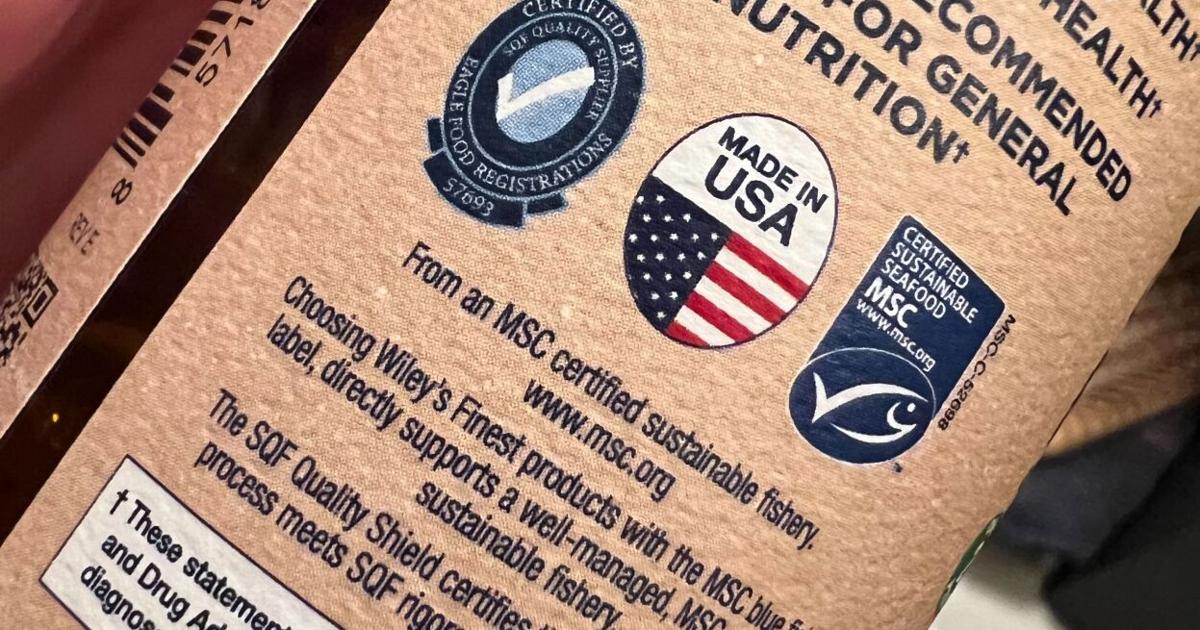
Some supplement brands voluntarily seek third-party testing to verify their contents. If choosing a supplement, look for products that have been certified by an independent third-party laboratory, such as ConsumerLab, NSF or USP.
Alert doctors of any supplements in a routine
“From time to time, we do see supplements that cause liver injury that can range from a minor elevation in liver tests to high bilirubin to a lot of liver inflammation, and sometimes, very rarely, liver failure. Most of the supplements are close to impossible to predict how the body will react,” Therapondos said. “I think the majority of problems we see tend to be with supplements that are taken for performance enhancement.”
He also emphasizes the importance of keeping doctors informed of the supplements in a person’s diet — including how much — to ensure they don’t interfere with existing medications or health issues.
If considering supplements, use the golden rule of medicine: consult a doctor first.
link