8 herbs and supplements to help treat depression

The use of complementary therapies continues to gain popularity, as people look for more natural methods of managing their health.
However, herbal does not always mean safe or effective, and knowing which products to choose can save a lot of time and money.
In the United States, the Food and Drug Administration (FDA) do not monitor herbs in the same way as food and drugs. As a result, manufacturers are not always 100 percent clear about the quality or purity of their product.
Research suggests promise for some supplements in treating mild-to-moderate depression. These are some of the supplements that people most widely use:
1. St. John’s wort
St. John’s wort is also known as Hypericum perforatum. This plant has been a common herbal mental health treatment for hundreds of years. However, people must use caution if they chose to try it as a potential treatment for depression.
A
However, this review of eligible studies did not find research on the long-term effects of St. John’s wort on severe depression.
The authors also advised caution against accepting the results wholesale, as the herb has adverse effects that many of the studies did not consider.
St John’s wort can also interfere with the effects of antidepressant medication, meaning that it
While St. John’s wort might help some people, it does not show consistently beneficial effects.
For these reasons, people should not use St. John’s wort instead of conventional treatment. Neither should they try St. John’s wort to treat moderate to severe depression.
2. Ginseng
This supplement comes from the gnarled root of the American or Asian ginseng plant. Siberian, Asian, and Eleuthero ginseng are different plants with different active ingredients.
Practitioners of Chinese medicine have used ginseng for thousands of years to help people improve mental clarity and energy and reduce the effects of stress.
Some people associate these properties of ginseng with potential solutions for the low energy and motivation that can occur with depression.
However, the National Center for Complementary and Integrative Health (NCCIH)
3. Chamomile
A
The results show that chamomile produced more significant relief from depressive symptoms than a placebo. However, further studies are necessary to confirm the health benefits of chamomile in treating depressive symptoms.
4. Lavender
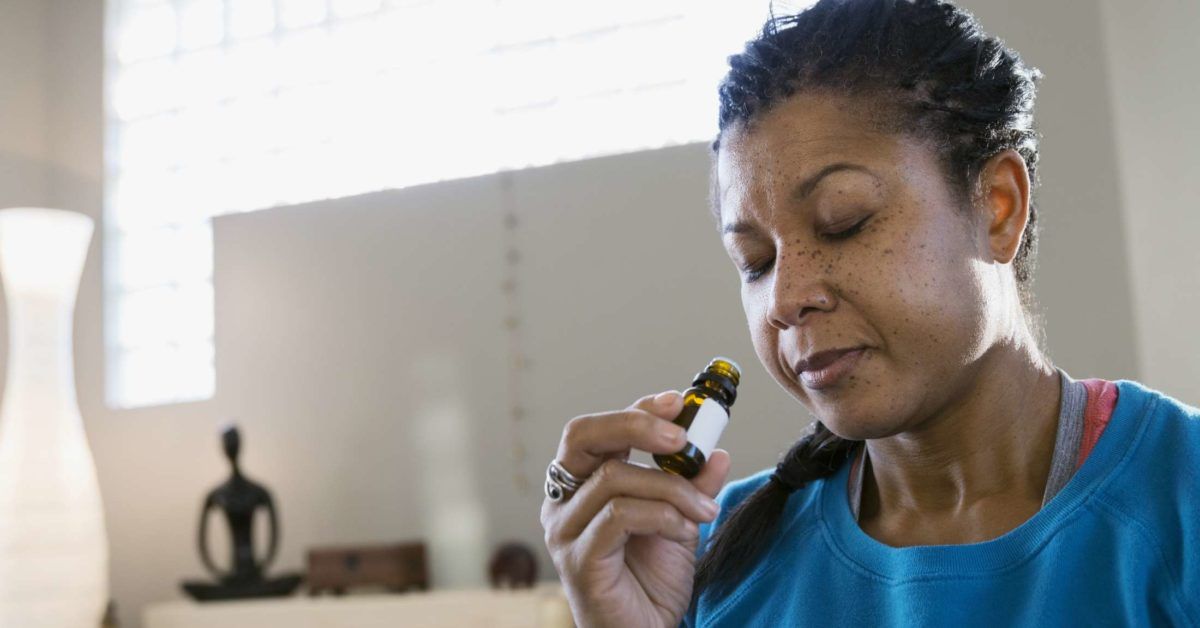
Lavender oil is a popular essential oil. People typically use lavender oil for relaxation and reducing anxiety and mood disturbances.
A
Lavender has mixed results in studies that assess its impact on anxiety. However, its effectiveness as a treatment for ongoing depression has little high-quality evidence in support at the current time.
5. Saffron
Some studies cite using saffron as a safe and effective measure for controlling the symptoms of depression, such as this
However, more research would help confirm the possible benefits of saffron for people with depression. Scientists also need to understand any possible adverse effects better.
6. SAMe

SAMe is short for S-adenosyl methionine. It is a synthetic form of a chemical that occurs naturally in the body.
In 2016, researchers reviewed all the randomized controlled trials on record for the use of SAMe to treat depression in adults. They found no significant difference between the effects of SAMe on depression symptoms and those of a placebo.
However, they also found that SAMe had about the same effectiveness as the common antidepressants imipramine or escitalopram. Furthermore, it was better than a placebo when the researchers mixed SAMe with selective serotonin reuptake inhibitor medications.
As with many other studies into herbs and supplements, the investigations into the safety and efficacy of SAMe are of low quality. More research is necessary to determine its exact effect.
People use the supplement in Europe as a prescription antidepressant. However, the FDA have not yet approved this for use in the U.S.
7. Omega-3 fatty acids
In a
While the study authors reported no serious side effects from the supplement, they also advised that it would only be an effective measure in treatment for depression that was due to omega-3 deficiency.
8. 5-HTP
Also known as 5-hydroxytryptophan, this supplement may be useful in regulating and improving levels of serotonin in the brain. Serotonin is the neurotransmitter that affects a person’s mood.
5-HTP has undergone a number of animal studies, and some, such as this
5-HTP is available as an over-the-counter (OTC) supplement in the U.S. but may require a prescription in other countries.
More research is necessary, especially regarding concerns that it may cause serotonin syndrome, a serious neurological complication if a person takes 5-HTP in excess.
Supplement manufacturers do not have to prove that their product is consistent. The dose on the bottle may also be inaccurate.
People should ensure they purchase herbs and supplements from a trusted manufacturer.
link