Managing diabetes: Curcumin (turmeric) supplement shows blood pressure benefit
Diabetes rates keep climbing around the world, and doctors are looking for new ways to help people with prediabetes and type 2 diabetes stay healthy, especially when it comes to their hearts. As of 2025, an estimated 589 million adults are living with diabetes worldwide, representing 1 in 9 adults aged 20-79 years, according to the 11th edition of the IDF Diabetes Atlas.High blood pressure is a common problem in diabetes, and it’s a big reason why people with diabetes face a greater risk of heart attacks and strokes. Keeping blood pressure under control is a huge part of diabetes care. Now, a new review in Endocrinology, Diabetes & Metabolism is turning heads. The study found that curcumin — the main active ingredient in turmeric — can slightly lower systolic blood pressure when taken as a supplement by people at high risk. Let’s break down what this means.
What the research actually shows about curcumin
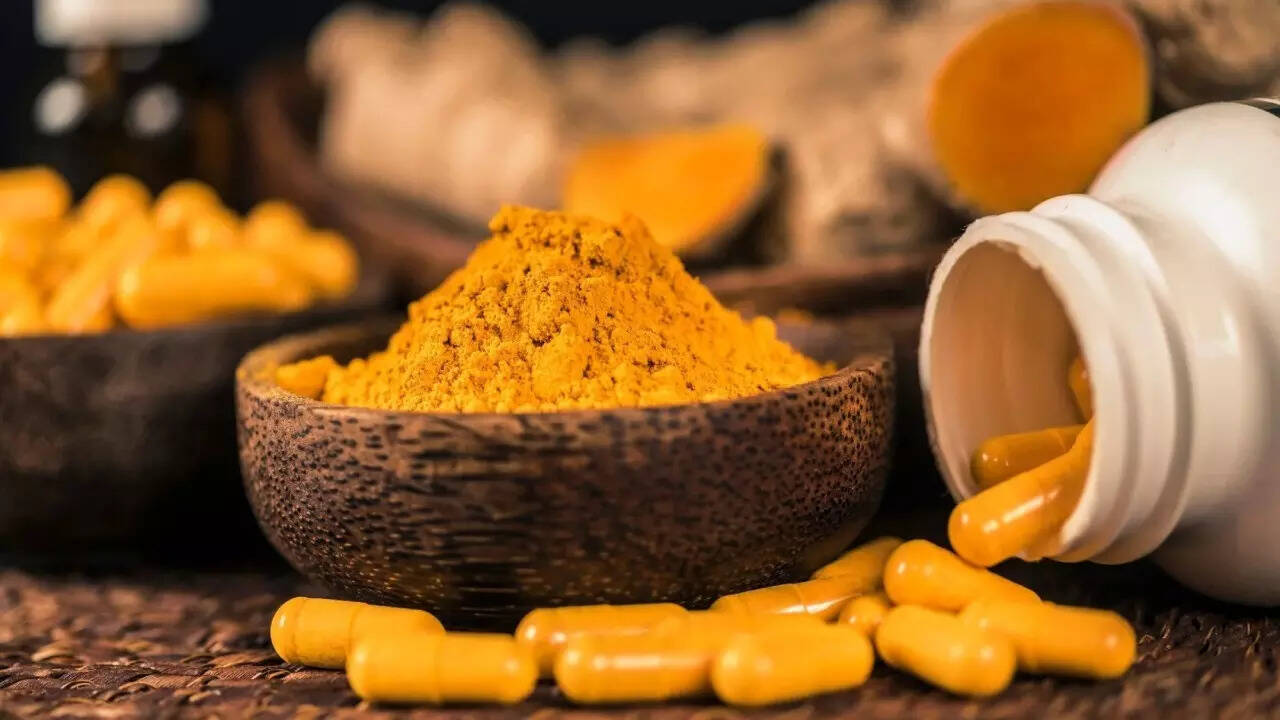
Curcumin is known for fighting inflammation and acting as an antioxidant, so scientists have wondered if it could help with heart health, too. In the latest meta-analysis, Bahari H and colleagues looked at 15 randomized controlled trials with 855 adults who had prediabetes or type 2 diabetes. They wanted to see if taking curcumin or turmeric would lower blood pressure.The results? People taking curcumin saw their systolic blood pressure (that’s the top number) drop by about 2.7 mmHg, compared to people who didn’t take it. The effect was even stronger — around 3.4 mmHg lower — for folks who started with higher blood pressure (130 mmHg or above). Diastolic blood pressure (the bottom number) didn’t budge much overall, but there were hints of improvement in some people with established diabetes.
Why this matters
Diabetes and high blood pressure often go hand in hand, and together, they make heart problems a lot more likely. Even a small drop in systolic blood pressure, similar to the one this study saw with curcumin, can make a real difference by lowering the risk of heart attacks and strokes — especially when that is combined with the usual care, healthy habits, and routine medications. Experts say that a 2–3 mmHg drop might not sound huge, but on a population level, it’s meaningful. It’s about the same benefit you’d get from some common diet and lifestyle tweaks.
How does curcumin actually help?
Curcumin does a lot of things in the body that could explain its benefits:
- It fights inflammation, which can damage blood vessels and make them stiff, raising blood pressure.
- It acts as an antioxidant, soaking up free radicals that cause oxidative stress (a big issue in diabetes) and helping blood vessels work better.
- It might boost nitric oxide, which relaxes blood vessels and makes it easier for blood to flow.
- It can improve how the body handles insulin and fats, both of which matter for heart health.
Put all these effects together, and curcumin looks pretty promising as an add-on to standard treatments. But just to be clear — it shouldn’t replace your usual blood pressure or diabetes meds.
How much curcumin, and what kind?
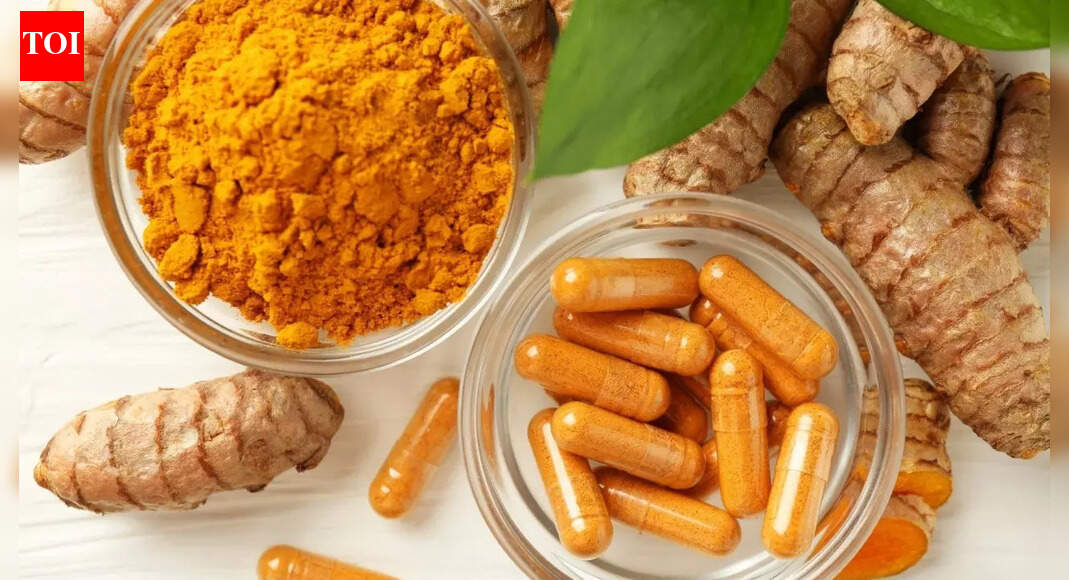
Well, the studies looked at all sorts — straight-up curcumin extracts, regular turmeric powder, and some souped-up versions that help your body soak up more curcumin. Sometimes they mixed in piperine from black pepper, or used fancy stuff like nano-curcumin.The biggest changes in blood pressure happened in folks taking higher doses — over a gram a day — and especially when they used those formulas that help with absorption.Curcumin is generally safe in typical supplement doses, but if you’re thinking about trying it, talk to your healthcare provider first, especially if you take blood thinners, blood pressure meds, or drugs for diabetes.
What’s next
This new analysis suggests curcumin supplements can modestly lower systolic blood pressure in people with prediabetes or type 2 diabetes, especially if their blood pressure’s already on the high side. Still, the researchers admit there’s a lot of variation in the studies — different doses, formulas, and how long people took it. They’re calling for bigger, longer trials to really nail down how best to use curcumin and see if it helps in the long run.Right now, curcumin looks like a solid option to add to your heart health toolkit, especially if you have diabetes. But of course, it’s no magic bullet. Most of all, healthy food, staying active, and keeping up with your doctor matter a great deal. And before you jump in with new supplements, check in with your healthcare provider — it’s better to be safe than sorry.
link